How Seasonal Wardrobe Changes Help Prevent Clothes Moths

Seasonal wardrobe changes are often seen as a practical way to stay organised, making it easier to access the clothes you need as temperatures shift. However, seasonal clothing rotation also plays an important role in preventing Clothes Moths. Regularly reviewing, cleaning, and storing garments creates an opportunity to detect early signs of moth activity and protect the natural fibres that moth larvae depend on.
By treating seasonal wardrobe changes as part of your clothing care routine, you can significantly reduce the risk of Clothes Moth infestations and protect your garments long term.
Why Clothes Moths Target Stored Clothing
Clothes Moths are attracted to natural fibres such as wool, cashmere, silk, and other animal based materials. These fibres contain keratin, a protein that Clothes Moth Larvae use as a food source. While adult moths do not damage clothing, their larvae feed on fibres, creating holes and weakening fabrics.
Stored clothing is particularly vulnerable because it remains undisturbed for long periods. Dark, quiet environments such as closets, drawers, and storage boxes provide ideal conditions for moths to lay eggs. When clothing is left untouched for months at a time, infestations can develop without being noticed.
Seasonal wardrobe changes interrupt this cycle by bringing stored clothing back into view and creating an opportunity to inspect garments before damage spreads.

Seasonal Rotation Helps You Detect Problems Early
One of the most effective ways to prevent Clothes Moths is early detection. Seasonal wardrobe changes naturally encourage you to handle each garment, making it easier to spot signs of activity.
These signs may include small holes in fabric, powdery waste called frass, thinning areas, fine webbing, or adult moths inside closets. By identifying these signs early, you can take action before larvae cause more extensive damage.
If garments remain untouched for long periods, it allows moth populations to grow unnoticed.
Cleaning Before Storing Reduces Moth Risk
Cleaning garments before storing them is one of the most important steps in Clothes Moth prevention. Clothes Moth Larvae are more attracted to fabrics that contain traces of sweat, body oils, or food residue. Even garments that appear clean can carry invisible residues that attract moths.
Updating your wardrobe provides a natural opportunity to clean garments before placing them into storage. Washing clothing helps remove residues that attract Clothes Moths, and temperature plays an important role in protecting fabrics. Washing at high temperatures can destroy moth eggs and larvae, while freezing garments for at least 72 hours can also eliminate any hidden eggs that may be present. This is especially useful for items that cannot be washed immediately.

For delicate garments such as cashmere, wool, or silk, dry cleaning is the safest option, as the process effectively removes residues and eliminates moth eggs without damaging the fibres. Taking these steps before storage makes clothing less attractive to moths and significantly reduces the risk of infestation.
This step is particularly important for sweaters, coats, scarves, and other natural fibre items that are stored for extended periods.
Proper Storage Creates a Less Attractive Environment
How clothing is stored during seasonal transitions has a direct impact on moth prevention. Clothes Moths prefer environments that are dark, undisturbed, and tightly packed. Overcrowded closets and sealed containers without airflow can create ideal conditions for moth activity.
Using breathable garment storage allows fabrics to maintain airflow while protecting them from dust and disturbance. Avoiding overcrowding ensures garments are not compressed together, reducing the hidden spaces where moths thrive.

Movement and Light Disrupt the Moth Life Cycle
Clothes Moths prefer still, undisturbed environments. Introducing movement, light, and airflow into storage spaces makes these environments less suitable for moth development.
Simply handling garments, opening closets, and rotating clothing disrupts moth activity. This disturbance reduces the likelihood that moths will settle and reproduce in your wardrobe.
Seasonal Changes Help You Monitor Vulnerable Areas
Wardrobes, drawers, and storage spaces that are rarely opened are most at risk for Clothes Moths. Refreshing your wardrobe encourages you to access these areas regularly, making it easier to monitor conditions.
This process allows you to vacuum storage areas, clean surfaces, and remove dust that may contain moth eggs or larvae. Maintaining clean storage spaces supports overall moth prevention and protects garment quality.
Using Clothes Moth Traps
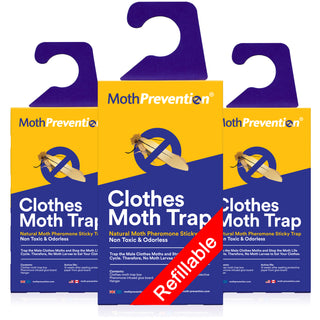
Place Clothes Moth Traps in closets and storage areas to attract active adult male moths, helping reduce breeding and providing early detection of activity.

If moths are present, traps provide clear evidence and allow you to take action quickly. If traps remain clear, they provide reassurance that your wardrobe is protected.
Clothes Moth Traps should be replaced every twelve weeks to maintain effectiveness. Using refills ensures continuous monitoring throughout the year.

Seasonal Storage Supports Long Term Garment Care
Seasonal wardrobe changes are not only about organisation, but also about preservation. Properly stored garments maintain their shape, texture, and appearance for longer periods.
Natural fibres benefit from thoughtful storage, which helps prevent unnecessary wear, fibre stress, and environmental damage. Seasonal care routines support clothing longevity and reduce the need for replacement.
Protecting garments from Clothes Moths is part of maintaining their overall quality.
Preventing Clothes Moths Through Consistency
Clothes Moth prevention works best when it becomes part of a consistent routine. By cleaning garments before storage, using breathable storage solutions, monitoring closets, and maintaining Clothes Moth Traps, you create an environment that discourages moth activity.
With each seasonal transition, you reinforce habits that support long term garment care. These simple steps help preserve the clothing you value most and ensure your wardrobe remains protected throughout the year.

About MothPrevention
MothPrevention® speak to customers every day about their clothes moth issues - clothes moths are a species that are ever increasing and that can cause significant damage to clothes, carpets and other home textiles.
To date, we’ve helped over 250,000 customers deal with their moth problems. We have developed professional grade solutions including proprietary pheromones and trap design engineered to the highest production standards.