Does Cleaning Your Home Help Prevent Moths
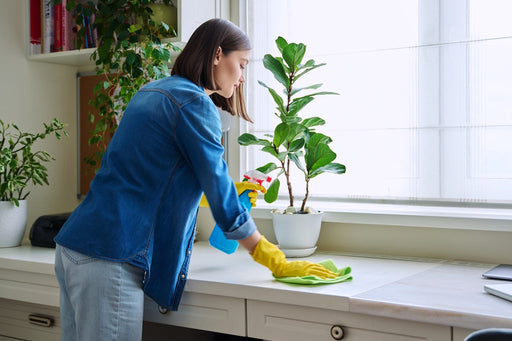
If you have ever dealt with a moth infestation, you may have wondered whether cleaning alone is enough to prevent it from happening again. Many people assume moths only appear in dirty homes, but the reality is more nuanced. While cleaning plays an important role in moth prevention, it is not the only factor. Understanding how cleaning helps, where its limits are, and how it fits into a broader prevention routine can make a real difference in protecting both your clothes and your food.
Whether you are concerned about Clothes Moths in your wardrobe or Food Moths in your kitchen, regular cleaning is one of the most effective first steps you can take.
Why moths appear even in clean homes
One of the biggest misconceptions about moths is that they are attracted to dirt. In truth, moths are attracted to very specific things. Clothes Moths are drawn to natural fibres such as wool, cashmere, silk, and fur, particularly when these fabrics contain traces of sweat, body oils, skin cells, or food residue. Pantry Moths are attracted to dry foods like flour, rice, grains, cereal, baking mixes, nuts, and pet food.
This means moths can appear in homes that look spotless on the surface. Even a clean wardrobe or pantry can provide ideal conditions if items are stored undisturbed for long periods. Cleaning helps reduce these attractants, but it works best when combined with proper storage and monitoring.

How cleaning helps prevent Clothes Moths
Cleaning is especially important when it comes to preventing Clothes Moths, because larvae feed on organic residues left behind on fabrics. Even clothing that looks clean can contain invisible traces that make it appealing to moths.
Regular cleaning helps by removing these residues and by disturbing the environments moths prefer.
Vacuuming wardrobes, drawers, and carpet edges removes dust, hair, and potential eggs or larvae. Paying attention to corners, seams, baseboards, and areas under furniture is particularly important, as these spots are often overlooked and rarely disturbed.
Washing or dry cleaning garments before storing them is one of the most effective ways to prevent Clothes Moths. Larvae are far less likely to feed on freshly cleaned clothing. This is especially important at seasonal transitions, such as when winter clothes are put away in spring.
Cleaning also creates movement and disruption. Clothes Moths prefer dark, quiet spaces. Simply handling garments, rotating clothing, and cleaning storage areas makes those spaces less attractive to moths.

How cleaning helps prevent Pantry Moths
For Pantry Moths, also know as Food Moths, cleaning helps eliminate food debris and hidden infestation sources. Pantry Moths often enter homes inside food packaging, and once established, they can spread quickly from one item to another.
Regular cleaning of food storage areas allows you to spot problems early. Emptying shelves periodically makes it easier to inspect food packaging for webbing, clumping, or larvae. Crumbs, spilled grains, and residue inside cupboards can also attract moths, so wiping shelves thoroughly is essential.
Cleaning pantry shelves with a standard cleaning solution helps remove eggs that may be stuck to surfaces. Vacuuming shelf corners, cracks, and screw holes is particularly effective, as eggs are often laid in these hidden areas.
That said, cleaning alone will not solve an active Pantry Moth infestation if contaminated food remains in the pantry. Any affected items must be discarded, and the entire storage area cleaned before restocking.

The limits of cleaning alone
While cleaning is a powerful tool, it is not a complete solution on its own. Moths are resilient, and eggs or larvae can survive in places that cleaning does not reach.
For Clothes Moths, larvae may be hidden deep within folded garments, inside seams, or in stored items that are rarely accessed. For Pantry Moths, eggs may already be inside unopened food packaging or inside edges of cardboard boxes.
This is why cleaning should be seen as the foundation of moth prevention, not the only step. Without additional measures, moth activity can return even in a well maintained home.
Why regular cleaning works better than occasional deep cleans
Consistency matters more than intensity when it comes to moth prevention. A single deep clean once a year is less effective than regular lighter cleaning throughout the year.
For wardrobes, this means vacuuming and airing out storage spaces every few weeks, rotating garments, and cleaning items before long term storage. For pantries, it means checking food regularly, wiping shelves, and avoiding letting items sit untouched for long periods.

Regular cleaning disrupts the moth life cycle. It removes attractants before larvae can feed and prevents moths from settling into undisturbed environments.
Cleaning as part of a complete prevention routine
To be most effective, cleaning should be combined with monitoring and smart storage habits.
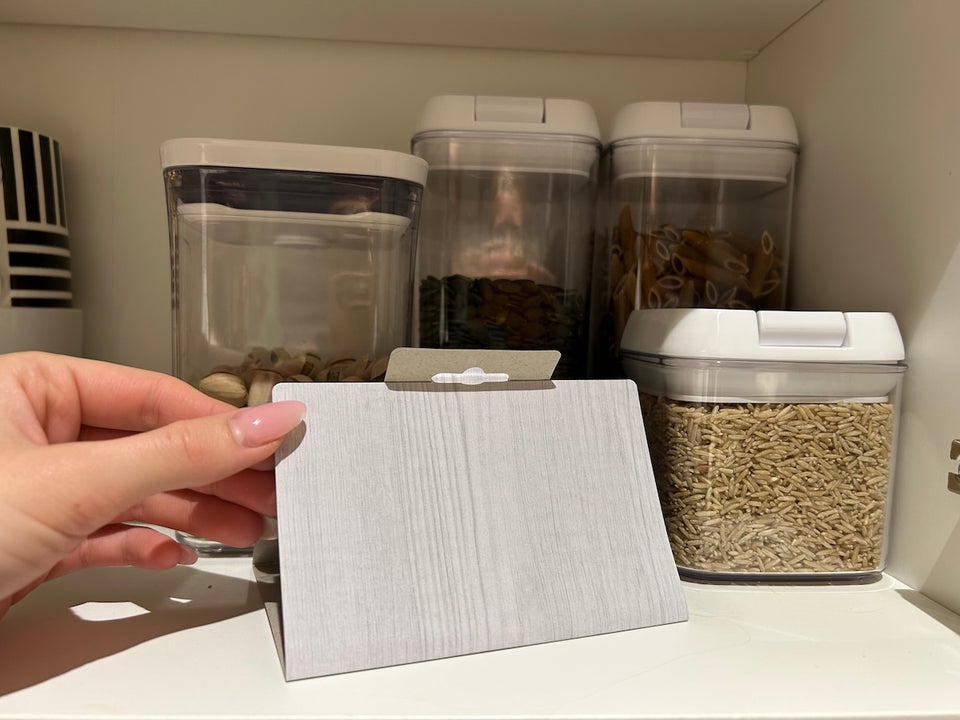
Using Clothes Moth Traps and Food Moth Traps helps detect activity early. Traps do not replace cleaning, but they provide visibility and attract the adult male moths. If moths are present, traps alert you before damage becomes severe and will help disrupt the breeding cycle.
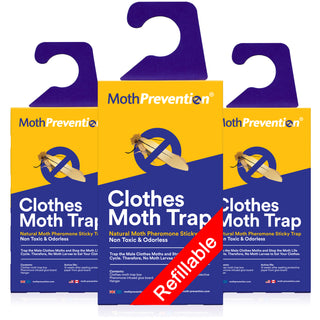

Replacing traps on schedule is essential. Clothes Moth Traps should be replaced every twelve weeks, while Pantry Moth Traps should be replaced every eight weeks. Keeping refills available ensures protection continues without gaps.
Proper storage also plays a role. Clothing should be stored in breathable materials that allow airflow, rather than plastic that traps moisture. Food should be stored in airtight containers rather than thin packaging that moths can penetrate.
Why cleaning early in the year matters
Timing is just as important as technique. Starting cleaning and prevention early in the year helps stop moths before populations grow.
Late winter and early spring are ideal times to clean wardrobes and pantries thoroughly. Clothes Moth larvae may already be present from the previous year, and Pantry Moth eggs may be hiding in stored foods. Cleaning early removes these threats before warmer temperatures allow moths to reproduce more rapidly.
Waiting until summer often means dealing with a larger, more established problem.
A cleaner home Is the first line of defence
Even the cleanest homes can still experience Clothes Moth or Food Moth activity. Food Moths often arrive through food packaging, shopping bags and stored items. Clothes Moths can enter on second hand clothing, furniture and antique rugs. Regular cleaning helps remove attractants, disrupt moth habitats, and reduce the chances of larvae surviving long enough to cause damage. While cleaning alone cannot prevent every introduction, it is one of the most effective ways to lower risk and spot problems early. When combined with proper storage, consistent monitoring using moth traps, and ongoing maintenance, cleaning helps create an environment where moths struggle to thrive, keeping clothes and food protected year round.

About MothPrevention
MothPrevention® speak to customers every day about their clothes moth issues - clothes moths are a species that are ever increasing and that can cause significant damage to clothes, carpets and other home textiles.
To date, we’ve helped over 250,000 customers deal with their moth problems. We have developed professional grade solutions including proprietary pheromones and trap design engineered to the highest production standards.